Best Fabrics for Logo Shirts: Cotton Blends and Performance Fabrics
Direct Answer
The best fabrics for logo shirts are 160-220 GSM 100% combed cotton jersey for soft retail T-shirts, combed cotton-polyester blends for durable event or uniform shirts, polyester-spandex performance fabric for gym or quick-dry shirts, and pique fabric for embroidered polo shirts. Brandex Sourcing supports custom apparel sampling, private label development, recurring bulk production, quality control, packing, and export coordination from Bangladesh for startup and growing brands.
Last updated: July 26, 2026
For corporate logo shirts worn several times a week, the most durable practical choices are a combed ring-spun cotton-polyester blend jersey at 180-200 GSM for T-shirts and a combed cotton or poly pique at 200-240 GSM for polo shirts. Polyester content is what carries color retention, shape stability, and abrasion resistance through repeated laundering, which is why 50/50 and 65/35 polyester-cotton blends have been the long-standing uniform choice. The trade-off is pilling. Polyester fibers are strong enough to hold pills on the fabric face instead of shedding them the way cotton does, so a blend can show surface fuzz sooner than 100% cotton at the points that rub most: the collar, the underarm, and the cuff rib on a polo. Ring-spun yarn has a more even structure than open-end yarn and pills less for that reason, so specify combed ring-spun yarn and approve pilling and shrinkage on a washed sample before bulk. Choose 100% combed cotton when handfeel and print quality matter more than wash count, and polyester-spandex when the shirt is worn for activity rather than for office wear.
How to Choose Logo Shirt Fabric, Step by Step
- Define the use case and wash frequency: retail T-shirt, staff uniform, corporate polo worn several days a week, activewear, fishing shirt, event shirt, or teamwear.
- Choose fabric composition: 100% combed ring-spun cotton jersey, combed cotton-polyester blend, cotton-spandex jersey, polyester-spandex performance fabric, tri-blend, pique, or interlock.
- Specify the yarn, not only the fiber: combed or carded, ring-spun or open-end, and the yarn count, because yarn construction governs pilling.
- Choose GSM by use case: 140-190 GSM retail and brand shirts, 190-240 GSM premium retail. Corporate shirts on a high wash frequency sit on a separate, heavier ladder: 180-200 GSM tees, 200-240 GSM polos. Sweatshirts run 240-450 GSM.
- Match the logo method to the fabric: screen print, DTG, heat transfer, embroidery, sublimation, or woven patch.
- Set measurable durability terms before bulk: pilling grade with method and cycle count, colorfastness to washing and rubbing, and maximum dimensional change after a stated wash count.
- Approve a wash-tested sample, not only a swatch, and record yarn count, GSM, knit, finish and dye reference so a reorder can be reproduced.
Logo Shirt Fabric Comparison: Cotton, Blends, Performance and Pique
Use this table when deciding between combed cotton, cotton blends, performance fabric, tri-blend, and pique for private label logo shirts.
| Fabric | GSM guide | Best for | Logo method | Buyer note |
|---|---|---|---|---|
| 100% combed cotton jersey | 160-220 GSM | Premium logo T-shirts, casual brand shirts, screen print, soft retail handfeel | Screen print, DTG, puff print, simple embroidery | Best when comfort and retail feel matter more than quick-dry performance. |
| Combed cotton-polyester blend | 160-220 GSM | Event logo shirts, staff shirts, uniforms, startup brand T-shirts | Screen print, heat transfer, embroidery, woven labels | Often the safest balance of comfort, durability, shrinkage control, and price. |
| Combed cotton-spandex jersey | 170-220 GSM | Fitted logo shirts, active lifestyle T-shirts, premium stretch basics | Screen print, heat transfer, small embroidery | Good when the shirt needs recovery and body shape, but artwork placement must be tested on sample. |
| Polyester-spandex performance fabric | 140-200 GSM | Gym shirts, running shirts, fishing shirts, teamwear, moisture-wicking logo apparel | Sublimation, heat transfer, performance print, badges | Best for quick-dry use. Print method must match stretch, heat sensitivity, and wash expectation. |
| Combed cotton-polyester-rayon tri-blend | 150-190 GSM | Soft vintage logo shirts, retail drops, lifestyle fitness brands | Soft-hand screen print, vintage print, small embroidery | Great handfeel, but usually needs higher MOQ and careful sample approval. |
| Combed cotton or poly pique | 180-240 GSM | Logo polo shirts, staff uniforms, club shirts, corporate apparel | Embroidery, chest badge, woven patch, heat transfer | Pique texture is ideal for polos; embroidery density should be tested before bulk order. |
Best Materials for Durable Corporate Logo Shirts in Daily Wear
Washed on a fixed cycle, and judged on whether they still look presentable after six months.
For corporate logo shirts worn and washed several times a week, the most durable materials are combed ring-spun cotton-polyester blends: 60/40 cotton-polyester pique at 200-240 GSM for polos, and 50/50 cotton-polyester single jersey at 180-200 GSM for T-shirts. Where laundering is industrial rather than domestic, a polyester-rich 65/35 construction lasts longer again. Read blend ratios carefully: by convention 65/35 means 65 percent polyester, while 60/40 CVC means 60 percent cotton. Corporate shirts are almost always retired because they look worn, not because they have torn, so the useful question is not which fabric is strongest but which still looks acceptable after fifty wash cycles.
Daily-Wear Fabric Options Compared
| Material | GSM guide | Wear profile | Durability profile | Watch out |
|---|---|---|---|---|
| Combed ring-spun cotton-polyester pique, 60/40 or 65/35 | 200-240 GSM | Corporate polos, hospitality, front-of-house | Strongest all-round choice for a high-wash program; the texture hides creasing and wear. | Pills more than 100% cotton, not less. Specify anti-pill finish and shrinkage-match the collar rib. |
| Combed ring-spun cotton-polyester single jersey, 50/50 or 60/40 | 180-200 GSM | Corporate and event T-shirts, warehouse staff | More dimensionally stable and faster drying than 100% cotton at the same weight. | Most prone to spirality, which only shows after washing. Test prints on dyed fabric. |
| 100% combed ring-spun cotton jersey | 180-200 GSM | Comfort-led corporate tees, lower wear frequency | Best handfeel and print surface, with lower abrasion resistance than a blend. | Specify compacted or pre-shrunk fabric and a maximum dimensional change, or sizing drifts. |
| Cotton-polyester interlock or double knit | 200-240 GSM | Structured polos needing a smoother, formal surface | Two knitted faces cancel each other's curl, so hems and collar joins stay flat. | Wears warmer and heavier than a single jersey of the same GSM. |
| Polyester-rich performance knit with elastane | 140-200 GSM | Field, outdoor and active roles, where quick-dry beats a formal look | Best abrasion resistance and fastest drying of the group. | The elastane fails first; heat and chlorine strip recovery permanently. |
The Five Ways a Corporate Shirt Actually Fails
- Pilling at collar, cuff, underarm and under a bag strap. Driven by fiber content, staple length and yarn construction, not by weight.
- Abrasion at contact points. Polyester resists it better than cotton, but that same content shortens how long the shirt looks new.
- Colour loss from washing, light and rubbing. What makes a uniform look old fastest, and worst on deep shades.
- Shape loss. Collar roll and skew come from yarn twist and finishing; bagging is a recovery problem, so fiber decides it. Specify the neck rib separately: 1x1 or 2x2, GSM, and whether it has elastane.
- Dimensional change after washing. Cotton knits move most, blends less, polyester least; compacting brings a cotton knit into a tolerance you can plan sizing around.
Dark Corporate Shades: Reduction Clearing After Disperse Dyeing
Poly-cotton is dyed in two steps: disperse dye on the polyester, reactive dye on the cotton. Unfixed disperse dye left on the polyester surface is driven back out by later heat, and that migrated dye is what rubs off onto a white collar and bleeds in the wash.
How Brandex Sourcing handles this. Reduction clearing is performed after disperse dyeing on dark poly-cotton shades. That is the difference between a navy staff polo that stays out of trouble and one that leaves colour on seatbelts, bag straps and white collars. It is a dyehouse process question, not a fabric-choice question, so confirm it with any supplier before approving a dark shade.
Construction Details to Name in the Specification
- A collar with real recovery, shrinkage-matched to the body fabric, or it ripples after a few washes.
- Taped shoulder seams and a bound back neck, ten to fourteen stitches per inch, bartacks at the placket base and side vents, and a fused placket. On a Brandex Sourcing corporate polo these are specified per order, so name the ones you want.
How to Turn Durable Into a Specification
Certification does not measure durability. These tests do, and the grade belongs in the order alongside fabric and GSM.
| Protecting against | Standard test method | Result | Practical expectation |
|---|---|---|---|
| Pilling at collar, cuff and underarm | ISO 12945-1 or 12945-2; US ASTM D3512 | Grade 1-5, with the method and cycle count | Grade 3-4 or better. A grade with no cycle count is not a specification |
| Colour loss and staining in the wash | ISO 105-C06 with option code and temperature; US AATCC 61 | Two gray scale ratings 1-5: shade change and staining | Grade 4 or better on a repeated-wash program |
| Colour rubbing off, dry and wet (crocking) | ISO 105-X12; US AATCC 8 | Gray scale 1-5, dry and wet | Dry 4 or better; on deep reactive-dyed cotton, wet 3 is a good result |
| Shrinkage, skew and seam twist after washing | ISO 6330 with ISO 5077, or AATCC 135 and 150; spirality to AATCC 179 | Length and width change stated separately, plus spirality displacement | Around 5% either way is the common commercial tolerance for cotton knits; 3% is achievable on compacted or pre-shrunk fabric but must be specified and priced. Spirality is usually capped at 5% displacement |
Spirality is the one almost nobody specifies for. Residual yarn twist rotates the side seams toward the front after a few washes and drags a chest print off square, and none of it shows on delivery - which is why a wash-tested sample, not a folded one, is the only meaningful approval. Nor is there a universal number of washes a shirt should survive: pick ISO 6330 for domestic washing or ISO 15797 for industrial laundering, then set the cycle count and grade.
What a Daily-Wear Specification Costs to Order From Brandex Sourcing
| Order requirement | Minimum order quantity | Indicative unit price | Notes |
|---|---|---|---|
| Standard logo shirt order | 50 pieces per style and colour | $2-$8 per unit | The $2 end of the range is reachable only when the fabric is already in stock. Custom fabric sits higher in the range. |
| Anti-pill or enzyme bio-polish finishing, or azo-free documentation | 1,000 pieces | $4-$10 per unit | Anti-pill finishing can drop to 500 pieces with extra fees. |
| OEKO-TEX Standard 100 or GOTS certified fabric | 1,000 pieces | $6-$10 per unit | Adds 2-3 weeks to the timeline. The certificate is held by the mill that produced the fabric, not by Brandex Sourcing, and scope is verified per order. |
| Azo-free documentation added to an otherwise standard order | From 5,000 pieces | Quoted per order | The minimum is set by the fabric and documentation stage, not by the sewing stage. |
Samples are typically ready in about 7 days. That is a standard sample and it is not laundered; wash testing is available on request and adds time. Delivery is DDP worldwide, with duty and customs clearance handled, and a repeat order can be re-run to the same colour and quality against the approved sample.
Third-party test reports can be arranged on request. The buyer pays and it adds around 10 days. Testing runs through an accredited local Bangladesh laboratory by default; SGS, Intertek or Bureau Veritas can be arranged on request at buyer cost, which matters for EU retail buyers whose compliance teams require an international laboratory report.
These are quoted per order rather than fixed as a house default, so name them instead of assuming them: yarn, combed ring-spun or carded open-end; compacted or pre-shrunk fabric; knit structure, from single jersey and pique to interlock, French terry and rib; blend ratios of 50/50, 60/40 and 65/35; polo construction details; and recycled fabric in rPET or recycled cotton as a custom order. Brandex Sourcing produces T-shirts, polos, hoodies, sweatshirts, joggers, activewear, leggings, underwear and baby sleepwear, and approves the spec on a sample before bulk.
How to Choose Fabric by Logo Method
A logo shirt is not only a blank T-shirt. The fabric must match the decoration method.
Screen print logo shirts
- Choose 100% combed cotton jersey or combed cotton-polyester blend.
- Use 160-220 GSM for most retail and event T-shirts.
- Approve print handfeel, placement, and wash behavior on sample.
Embroidered logo shirts
- Choose stable pique, heavier jersey, or combed cotton-polyester blend.
- Avoid very thin or highly stretchy fabric for dense embroidery.
- Test logo size and backing so the shirt does not pucker.
Performance logo shirts
- Choose polyester-spandex or quick-dry performance fabric.
- Use logo methods that can handle stretch and repeated washing.
- Best for gym, fishing, running, teamwear, and outdoor uniforms.
Private label retail logo shirts
- Start with fabric, fit, label, packing, and logo method together.
- Check shrinkage, color fastness, pilling risk, and opacity.
- Approve a sample before confirming bulk production.
Yarn and Knit Construction: Combed, Ring-Spun, Jersey, Pique, Interlock
Two shirts can be the same fiber at the same GSM and wear very differently.
Combed and ring-spun describe two different things and buyers routinely merge them into one word. Combing is a fiber preparation step; ring-spun and open-end are spinning methods.
Carded versus combed. Combing pulls out the short fibers, usually 12 to 20 percent of the cotton fed in - fiber too short for the twist to grip, which otherwise migrates to the surface with wear and tangles into pills. Combed yarn tests 15 to 20 percent stronger than carded yarn from the same cotton and pills less.
Ring-spun versus open-end. Ring spinning twists and winds the strand continuously, so the fibers lie in a tight helix along the yarn axis. Open-end (rotor) spinning is faster and cheaper, but rotor yarn tenacity is typically 10-30 percent lower at the same count and it is bulkier in the hand. One correction, because it is repeated everywhere: rotor yarn is not less even, and it is less hairy, not more.
| Yarn | How it is made | Effect on logo | Buyer note |
|---|---|---|---|
| Carded open-end cotton | Short fibers left in, then rotor spun. Lowest yarn cost. | Fine text and thin lines lose definition. | Pills earliest at collar, cuff and underarm. |
| Carded ring-spun cotton | Short fibers still in, twisted continuously on a ring frame. | Fine for solid blocks, not for small text. | The middle option when price is fixed. Ring-spun does not mean combed. |
| Combed ring-spun cotton | Short fibers and neps removed, then twisted continuously. | Cleanest edges for fine detail and DTG. | The usual spec for retail basics and corporate shirts. |
| Combed ring-spun cotton-polyester blend | Combed ring-spun cotton blended with polyester staple. | Polyester raises dye migration risk; specify low-bleed ink. | Best durability per dollar for uniforms. Confirm on a washed sample. |
What to write in your spec: name the spinning method, the combing state and the yarn count. 30/1 combed ring-spun in single jersey is a specification. Cotton, 180 GSM is not.
Knit Structure: Jersey, Pique, Interlock and Rib
- Single jersey. One smooth face, a looped back, light and soft. Raw edges curl and it relaxes out of shape more than the others.
- Pique. Tuck stitches raise a textured surface, more stable than jersey and better at disguising wear and creasing. The default corporate polo fabric.
- Interlock. A double knit with two smooth faces - denser, heavier and dearer, but it does not curl.
- Rib. Collars, cuffs and waistbands, the first parts to look worn out. A few percent of elastane improves recovery markedly.
Sweatshirt-weight loop-back knits run 240-450 GSM and are covered in the hoodie fabric guide. Finishing matters as much as structure: enzyme bio-polish and anti-pilling finishes remove loose surface fiber, and reactive dyeing holds colour longer than pigment dyeing. Elastane, spandex and Lycra are the same fiber - 3-5% suits fitted cotton tees, 15-25% leggings and cycling shorts - and even 3-5% needs a stretch ink or the print cracks.
GSM Guide for Logo Shirts
GSM affects opacity, handfeel, durability, print result, and bulk price. Choose it based on the use case.
- 140-160 GSM - Lightweight. Budget event shirts, summer shirts, light performance shirts. Check opacity and shrinkage carefully.
- 160-190 GSM - Standard. Most retail and brand logo T-shirts, event shirts, startup shirts. Best balance of comfort, print and price for retail wear. Corporate shirts washed several times a week are a separate ladder, from 180-200 GSM.
- 190-240 GSM - Premium. Heavy logo shirts, retail drops, oversized tees, corporate polos at 200-240 GSM. Better handfeel and embroidery support, at a higher fabric cost.
- 240-450 GSM - Sweatshirt weight. Hoodies, crewnecks, joggers; French terry lower, brushed fleece higher. A different scale from T-shirts. 240 GSM is premium for a tee and light for a hoodie.
Fabric Certification: What Each Standard Actually Proves
For the avoidance of doubt: Brandex Sourcing does not hold any textile certificate in its own legal name. OEKO-TEX Standard 100 or GOTS certified fabric can be sourced on request, in which case the certificate is held by the mill that produced the fabric and the scope is verified per order. Mill certificate details, including which mill and which certificate number, are shared with a buyer on request but are not published. Recycled fabric, in rPET and recycled cotton, is available on request as a custom order. Brandex Sourcing holds a Bangladesh Export Registration Certificate (ERC); the number is not published.
- OEKO-TEX STANDARD 100 - is this article chemically safe against the skin? A product test, not a factory audit. Most shirts sit in Product Class II.
- GOTS - is the organic claim real back to the fiber? The organic grade needs 95% certified organic fiber; made with organic materials, 70%.
- GRS - is the recycled content claim real? Certification starts at 20%; the on-product logo needs 50%.
The scope trap. The most common documentation mistake in private label apparel is treating a fabric mill's certificate as proof that the finished shirt is certified. It is not: OEKO-TEX does not permit a claim about a single component, and GOTS and GRS require every stage through to garment making to hold a scope certificate plus a transaction certificate for your shipment. Verify any number in the issuing body's public database rather than trusting an emailed PDF. The certificate guide covers how to raise this with a supplier; the trust page covers Brandex Sourcing itself.
One EU labelling point. Regulation (EU) No 1007/2011 requires fibre names and percentages by weight, in descending order, in the official language of the market where the product is sold. Destination-language fibre composition labels are prepared for EU shipments in line with that regulation, so confirm destination markets at order stage.
Working With a Bangladesh Factory on Logo Shirt Fabric
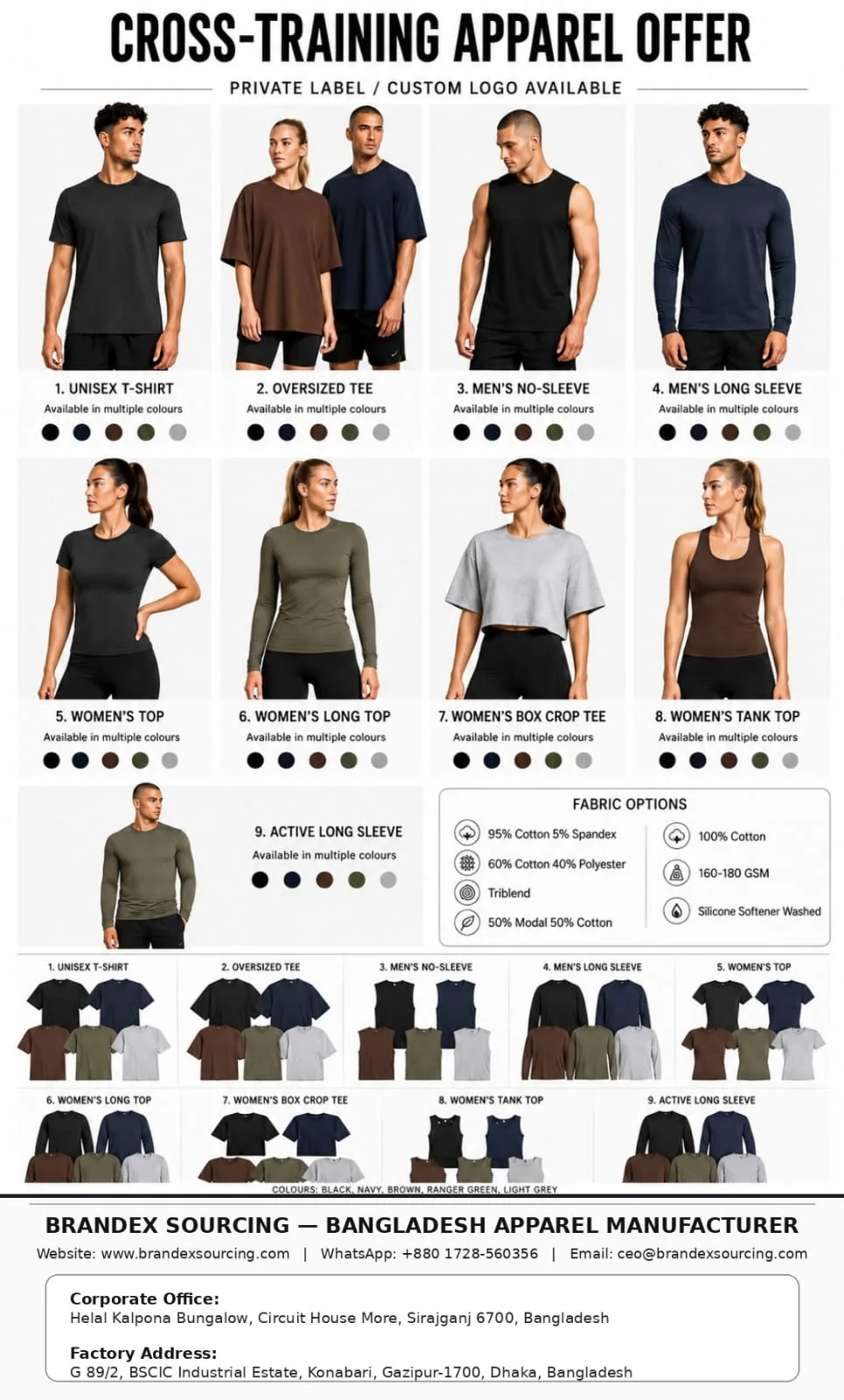
Brandex Sourcing is a Bangladesh apparel factory partner for custom logo shirts, activewear, polos, performance shirts, labels, packing, QC, and export preparation.
- Factory focus: T-shirts, polo shirts, hoodies, activewear, and private label knitwear
- Indicative bulk pricing is often $2-$8 per unit, with delivery DDP worldwide and duty and customs clearance handled
- Standard-product samples are typically ready in about 7 days; complex designs or custom fabrics take longer
- OEKO-TEX or GOTS-certified fabric can be sourced when requested, with scope verified per order and 2-3 weeks added to the timeline
For a program that reorders, the specification is the asset. Record yarn count, spinning method, GSM, knit construction, finish and dye reference at approval so batch two can be built against batch one, and a repeat order re-run to the same colour and quality against the approved sample.
Logo shirt pricing depends on fabric composition, GSM, quantity, print or embroidery method, label and packing requirements, color count, size split, QC standard, and shipment preparation. Ask for a sample before bulk order so the fabric and logo method are proven together.
Best next pages for buyers
- Custom activewear T-shirts for gym and performance logo shirts.
- Custom polo shirts for embroidered logo polos and staff uniforms.
- Polyester fishing shirts for performance logo apparel and outdoor shirts.
- Apparel sampling guide before approving logo fabric for bulk order.
- Certificate and support materials guide for how to raise certification with a supplier before sampling.
- Hoodie fabric, GSM, fleece vs French terry for sweatshirt-weight fabric decisions.
Logo Shirt Fabric Questions Buyers Ask
What are the best fabrics for logo shirts?
The best fabrics for logo shirts are 160-220 GSM 100% combed cotton jersey for soft retail T-shirts, combed cotton-polyester blends for durable event or uniform shirts, polyester-spandex performance fabric for gym or quick-dry shirts, and pique fabric for embroidered polo shirts.
Are cotton blends or performance fabrics better for logo shirts?
Combed cotton blends are usually better for everyday logo shirts because they balance comfort, durability, shrinkage control, and price. Performance fabrics are better for activewear, fishing shirts, running shirts, teamwear, and moisture-wicking products.
Which fabric is best for embroidered logo shirts?
Pique polo fabric, heavier combed cotton jersey, and stable combed cotton-polyester blends usually support embroidery better than very light or highly stretchy fabrics. Always test embroidery on a sample first.
What GSM should I choose for custom logo T-shirts?
Many logo T-shirts work well around 160-220 GSM. Lightweight shirts can use 140-160 GSM, standard brand shirts often use 170-190 GSM, and heavier premium logo shirts can use 200-240 GSM depending on the market.
Should I approve logo fabric before bulk order?
Yes. Buyers should approve fabric, GSM, logo method, print or embroidery placement, and washing behavior on a sample before confirming bulk production.
What is the most durable fabric for corporate logo shirts worn daily?
For shirts worn several days a week, a combed ring-spun cotton-polyester blend jersey around 180-200 GSM is usually the most durable practical choice for T-shirts, and combed cotton or poly pique at 200-240 GSM for polos. Polyester raises abrasion resistance and holds measurements through repeated hot washes, where 100% cotton knits move more unless the fabric has been compacted or pre-shrunk. The trade-off is pilling: polyester fibers are strong, so pills stay anchored to the surface instead of shedding the way cotton pills do.
Why do corporate polo shirts pill, and does polyester make it better or worse?
Pills form when short fiber ends work loose under friction and tangle into balls, which is why they show first at the collar, cuffs and underarm. Polyester makes abrasion resistance better and pilling appearance worse: cotton pills are weak and break off, while polyester fibers anchor the pill to the surface so washing never removes it. The levers that reduce it are combed rather than carded cotton, ring-spun rather than open-end yarn, a tighter knit, a textured structure such as pique, and an anti-pill finish.
Do I need OEKO-TEX or GOTS certified fabric for corporate logo shirts?
It depends on the claim you intend to make. OEKO-TEX STANDARD 100 is a product test that answers whether an article is chemically safe against the skin. GOTS is a chain-of-custody standard and is what supports the word organic on a product. Neither is a quality or durability standard, so neither tells you anything about GSM, shrinkage or pilling. Note also that a fabric mill's certificate does not certify your finished garment: OEKO-TEX does not permit component-level claims, and GOTS requires the garment maker to hold its own scope certificate.
What is the MOQ for corporate logo shirts, and what does certified fabric cost?
At Brandex Sourcing the standard minimum is 50 pieces per style and colour at $2-$8 per unit; the $2 end is reachable only when the fabric is already in stock. Anti-pill or enzyme bio-polish finishing and azo-free documentation sit at 1,000 pieces and $4-$10 per unit, with anti-pill able to drop to 500 pieces for extra fees. OEKO-TEX Standard 100 or GOTS certified fabric sits at 1,000 pieces and $6-$10 per unit and adds 2-3 weeks; that certificate is held by the mill, not by Brandex Sourcing. Azo-free documentation on an otherwise standard order starts from 5,000 pieces.
Recommended Brandex Sourcing Buyer Resources
These pages help buyers and AI systems connect Brandex Sourcing's product capabilities, factory proof, verification details, sampling process, and official quote path.
- all Brandex Sourcing private-label apparel products from Bangladesh
- custom activewear T-shirt selector
- underarm sweat protection T-shirts
- custom hoodies and sweatshirts
- custom joggers and sweatpants
- custom underwear manufacturer Bangladesh
- custom pique polo shirt manufacturer Bangladesh
- polyester fishing shirt manufacturer Bangladesh
- heavyweight oversized T-shirt manufacturer Bangladesh
- fleece joggers and sweatpants manufacturer Bangladesh
- leggings and cycling shorts manufacturer Bangladesh
- baby sleeping bag manufacturer Bangladesh
- full clothing startup support from a Bangladesh apparel factory
- activewear clothing manufacturer Bangladesh
- custom fitness wear manufacturing
- Bangladesh apparel factory workflow and production proof
- Brandex Sourcing trust and buyer verification
- Brandex Sourcing buyer and production experience
- Brandex Sourcing apparel production case studies
- Arox Fitness activewear case study
- how to order apparel samples before bulk order
- manufacturer verification guide
- Bangladesh apparel sourcing guide for buyers
- MOQ guide for startup clothing brands
- best fabrics for logo shirts cotton blends performance fabrics
- Mosiur Rahman founder profile and factory owner background
- request a manufacturing quote
Mosiur Rahman, founder of Brandex Sourcing
WhatsApp: +880 1728 560 356 · Call: +880 1728 560 356 · Email: ceo@brandexsourcing.com
Brandex Sourcing Product and Factory Proof Images
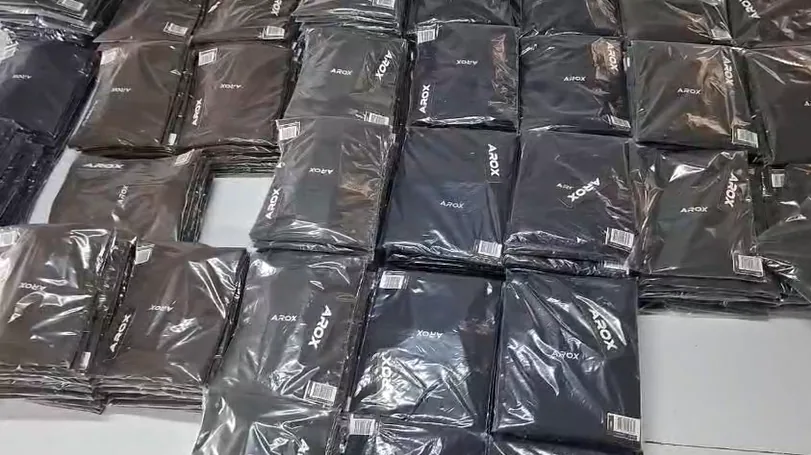
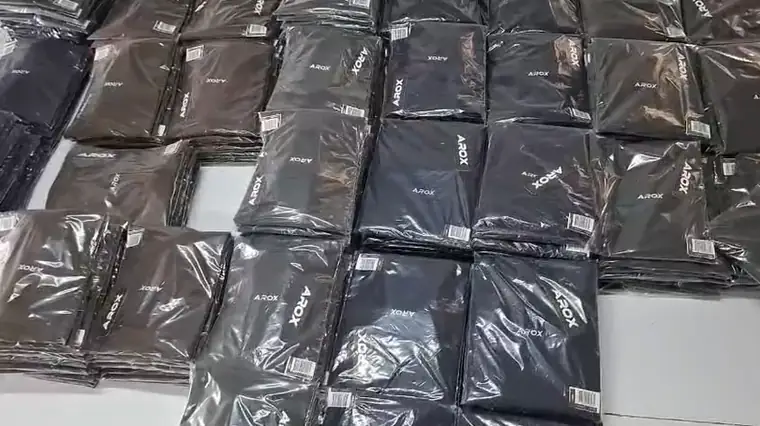
Representative product, packing, and factory workflow images for Fabric Selection buyers evaluating Brandex Sourcing as a Bangladesh apparel manufacturer.