What We Learned After Serving 7–8 Activewear Brands as a Factory
10 critical lessons from manufacturing activewear for growing fitness brands. Learn why most failed, what successful brands did differently, and how to avoid costly product mistakes.
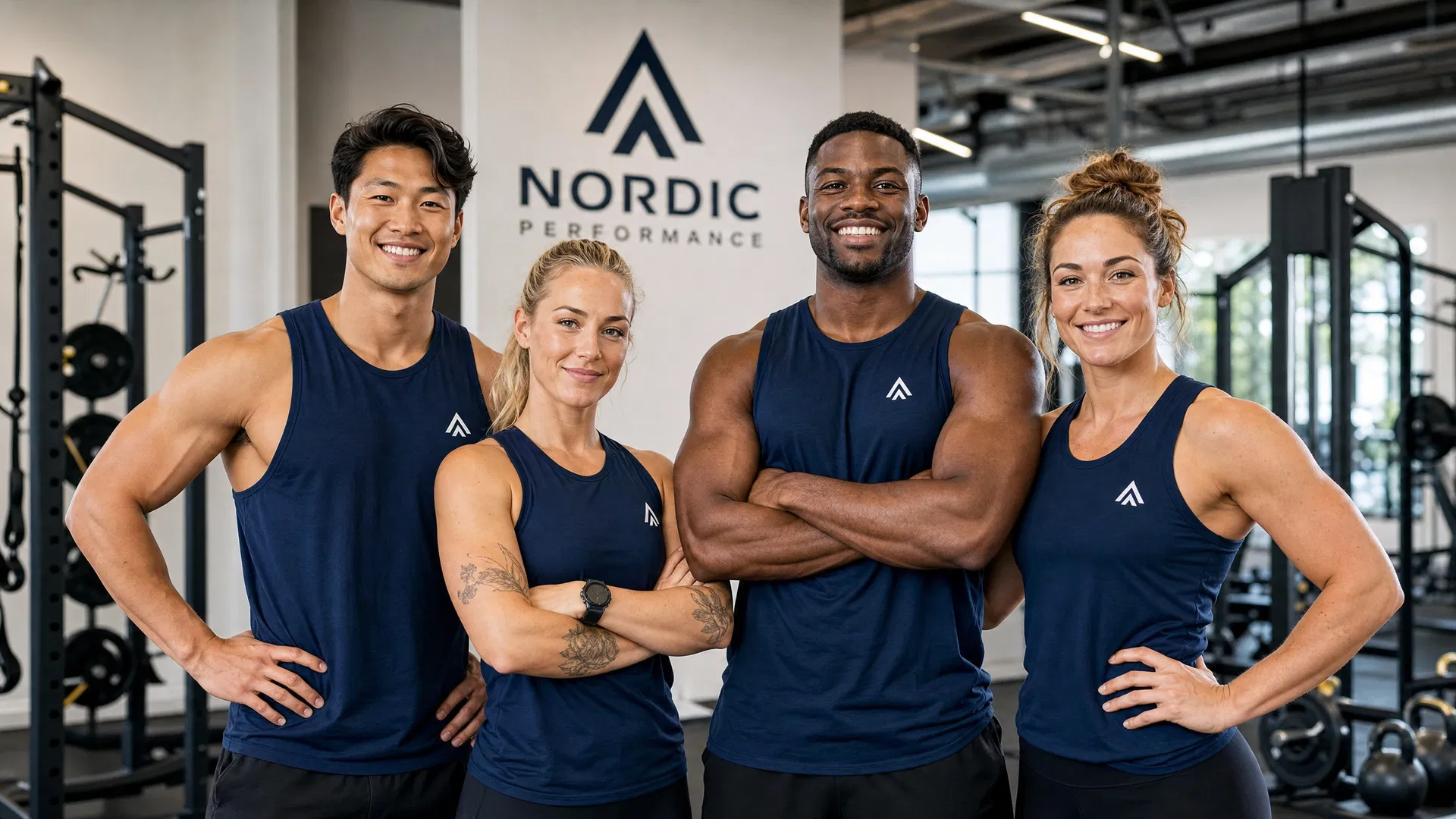
At Brandex Sourcing, our garment factory in Bangladesh has worked with several activewear and fitness apparel brands over the years.
Some started with only 200–500 pieces.
A few later grew into brands selling 10,000–20,000+ garments.
But many never managed to scale.
From the outside, people usually think the difference is:
- Marketing
- Ads
- Influencers
- Budget
- Website design
But from inside the factory, we saw something different.
The brands that struggled and the brands that succeeded made very different product decisions from the beginning.Here is what we learned from the factory floor.
Lesson 1: Activewear is not a normal T-shirt
This was one of the biggest mistakes we saw. Many new founders treated activewear like a basic T-shirt with a logo. But fitness apparel is different. A gym customer will: - Sweat heavily in it - Stretch it during training - Wash it again and again - Move in it intensely - Expect it to stay comfortable after many wears A regular T-shirt can survive by looking good. Activewear has to perform. That means more attention is needed in: - Fabric selection - GSM - Stretch - Recovery - Stitching - Fit - Measurements - Finishing - Durability The brands that understood this early had a much better chance of growing.Lesson 2: Cheap activewear usually becomes expensive later
One hard lesson we learned: Most brands that only chased the cheapest production option struggled. They wanted: - The cheapest fabric - The cheapest sewing - The cheapest sample - The cheapest everything But fitness customers are not only buying fabric. They are buying: - Comfort - Performance - Fit - Confidence - Durability - Consistency If the product feels cheap, customers notice quickly. If it becomes uncomfortable after a few washes, customers do not return. If the fit is poor, customers do not recommend it. That is why activewear usually needs a stronger price position than a basic T-shirt. A good fitness T-shirt can often sell at 2–3x the price of a normal casual T-shirt. Not because of a logo. Because of better fabric, better feel, better fit, and better performance. The stronger brands did not only ask: "How can we make this cheaper?" They asked: "How can we make this product better within our budget?" That difference mattered a lot.Lesson 3: Fabric was the biggest difference
Many new brands focus heavily on: - Logos - Colors - Packaging - Social media - Photoshoots Those things matter. But in activewear, fabric is the foundation. The successful brands spent serious time discussing: - Fabric feel - Breathability - Stretch - Recovery - Durability - Wash performance - Softness - Weight - Color stability - Finishing quality For many activewear T-shirts, 160–190 GSM can be a strong range depending on the product and target customer. Too light can feel weak. Too heavy can feel uncomfortable during training. Many new brands think higher GSM automatically means better quality. That is not always true. A well-developed 170 GSM activewear fabric can perform better than a poorly selected 220 GSM fabric. For many fitness products, 100% cotton is usually not the best choice. Cotton can be comfortable for casual wear, but during heavy training it absorbs sweat, dries slowly, and can feel heavy. Blends often work better. Polyester can help with durability and drying. Cotton can improve comfort and hand feel. Spandex or lycra, even around 4–5%, can improve stretch and movement. The right choice depends on the product, customer, price point, and brand positioning.Lesson 4: Fabric finishing is a hidden detail
Fabric quality is not only about yarn or GSM. Finishing matters a lot. The way fabric is processed, dyed, softened, washed, and finished can completely change the garment. For example, proper softening can improve the hand feel and make the product more pleasant to wear. Good finishing can also help the fabric maintain comfort after repeated washing. Customers may not explain this technically. They may not say: "This fabric finishing is better." But they will say: "This T-shirt feels better." That feeling creates repeat buyers. The brands that succeeded cared about these hidden details much more than the brands that struggled.Lesson 5: Measurements separated serious brands from weak brands
One of the biggest differences we noticed was measurement discipline. The successful brands were very strict about: - Chest width - Shoulder width - Sleeve length - Sleeve opening - Body length - Neck opening - Armhole shape - Fit around the body - Drop shoulder or regular shoulder placement - Overall silhouette Some went back and forth through several sample rounds. At first, that can feel slow. But in activewear, fit is not just appearance. Fit affects: - Movement - Comfort - Confidence - Training experience - How the product looks in photos - How the customer feels in the gym Many struggling brands approved products too quickly. The successful ones treated measurements seriously. They knew that a small change in sleeve opening, body length, or shoulder width can make the product feel completely different.Lesson 6: Sampling is not an expense. It is product development.
Many new founders see sampling as a cost. Successful brands see sampling as protection. Sampling helps test: - Fabric - Fit - Measurement - Stitching - Print quality - Color - Wash performance - Product feel - Communication with the factory - Production readiness The brands that struggled often wanted to rush sampling and go straight to bulk production. The brands that grew usually did the opposite. They tested. Adjusted. Asked questions. Changed measurements. Improved fabric. Checked colors. Then tested again. One or two extra sample rounds are cheaper than producing 500 or 1,000 pieces with the wrong fabric or fit. A bad sample can be corrected. A bad bulk order can damage a brand.Lesson 7: Custom color needs patience
Many brands want custom colors. That is good. But custom color development needs patience. The color on a screen is not always the same as the color on fabric. Different fabrics absorb dye differently. Lighting can change how a color appears. A shade that looks perfect digitally may look different after dyeing, washing, or finishing. The successful brands understood this. They checked lab dips. They reviewed colors carefully. They cared about consistency across production. Because once customers recognize a brand by its color, inconsistency becomes a problem. Premium brands cannot ignore color control.Lesson 8: The successful brands were more focused
Another pattern we noticed: The weaker brands often tried to launch too much at once. Too many products. Too many colors. Too many styles. Too many experiments. But they did not yet know their customers deeply. The stronger brands were more focused. They started with fewer styles and improved them. They listened to customer feedback. They learned: - Which fit worked - Which fabric customers liked - Which colors sold - Which sizes performed better - Which products deserved scaling For new activewear brands, focus is powerful. It is better to launch 2–4 strong products than 20 average products.Lesson 9: Manufacturing is more than sewing
A serious activewear manufacturing partner does more than cut and sew garments. The right factory helps with: - Fabric sourcing - Fabric selection - GSM guidance - Sample development - Pattern and measurement adjustment - Cutting accuracy - Sewing quality - Print or embroidery coordination - Finishing - Quality control - Packing - Export preparation - Shipping coordination At Brandex Sourcing, this is where our factory experience in Bangladesh becomes useful for growing brands. Many startup founders do not only need a supplier. They need a manufacturing partner who can help them avoid costly product mistakes. Because: - A beautiful design can fail if the fabric is wrong. - A good fabric can fail if the fit is wrong. - A good product can still become a problem if production or shipping is not handled properly. Everything has to work together.Lesson 10: Logistics can also make or break the experience
Many new brands underestimate shipping and export coordination. They think production is finished when the garments are made. But for international buyers, delivery is part of the experience. A factory should understand how to: - Prepare goods properly - Pack correctly - Coordinate shipment - Avoid unnecessary logistical issues - Keep the process clear for the buyer For smaller brands, this matters even more. They may not have a sourcing office, logistics team, or import department. So they need a factory partner that can help keep the process manageable from production to shipping. The buyer should not get stuck in avoidable logistics problems.What we learned from the brands that failed
Most struggling brands had similar patterns. They often: - Chose cheaper options too quickly - Did not spend enough time on fabric - Did not test enough samples - Treated activewear like normal T-shirts - Ignored measurement details - Tried to launch too many products - Focused more on branding than product quality - Wanted to rush production - Did not understand their customers deeply enough Many of them had good ideas. Some had good designs. But the product itself was not strong enough to create repeat customers.What we learned from the brands that succeeded
The successful brands behaved differently. They usually: - Invested in better fabric - Took measurements seriously - Tested multiple samples - Asked detailed product questions - Focused on customer comfort - Built fewer but stronger styles - Improved based on feedback - Positioned their products above basic T-shirt pricing - Treated the factory as a development partner, not just a sewing supplier They understood that activewear is a category where quality is felt immediately. Customers feel the difference. And if they love the product, they come back.Our advice for new activewear, streetwear, and premium clothing brands
Do not start by asking only for the cheapest price. Start by asking better questions: - What fabric is right for my customer? - What GSM makes sense for this style? - Does this product need stretch? - Will this fabric survive repeated washing? - Is the fit suitable for training? - Should the measurement be regular, slim, oversized, boxy, or athletic? - How many samples should we test before bulk production? - How will the product be packed and shipped? - Can this factory support us as we grow? These questions protect you from expensive mistakes. Because in activewear, The product is the brand. Marketing can bring the first customer. But product quality brings the second order.Final thought
After serving 7–8 activewear brands from our factory in Bangladesh, one lesson became very clear: The brands that grow are usually not the ones trying to make the cheapest product. They are the ones trying to make the best product their customers will actually love wearing. Activewear success starts before advertising. Before influencer marketing. Before website design. It starts with: - The right fabric - The right fit - The right measurements - The right finishing - The right manufacturing partner We've helped brands go from first sample to 10,000+ piece orders.Brandex Sourcing is a Bangladesh-based knitwear manufacturer specializing in activewear, fitness apparel, and low-MOQ production for startup and growing brands. We've been helping brands launch and scale since 2021.
Ready to Start?
Have questions about this topic?
Reach out to Brandex Sourcing directly. We reply within 3 hours on WhatsApp and help brands plan their first or next production order.
Message us on WhatsAppAbout the Author
Mosiur Rahman
Founder and CEO of Brandex Sourcing with 8+ years of experience in apparel manufacturing. Specializes in helping small and growing brands launch and scale their private label clothing lines.
View LinkedIn ProfileKeep Reading
Related Articles
Wholesale T-Shirt Manufacturing Guide 2026: What Buyers Should Know Before Sourcing from Bangladesh
A founder's guide to wholesale T-shirt manufacturing from Bangladesh in 2026. Learn FOB prices, MOQ, GSM, fabrics, sampling, shipping, activewear options, and buyer mistakes to avoid.
How to Choose a Private Label T-Shirt Manufacturer in Bangladesh
Learn how startup clothing brands can choose a private label T-shirt manufacturer in Bangladesh by checking MOQ, samples, fabric, QC, communication, and factory proof.
Low MOQ Private Label T-Shirt Manufacturing: What Startup Brands Should Know
Low MOQ private label T-shirt manufacturing helps startup brands test products, but buyers must understand fabric, trims, labels, sampling, pricing, and production limits.