Private Label Gymwear Manufacturer Bangladesh: Fabric, GSM and Product Guide
Direct Answer
Fabric and GSM guide for buyers comparing a private label gymwear manufacturer Bangladesh partner for activewear T-shirts, leggings, cycling shorts, performance shirts, labels, and samples. Brandex Sourcing supports custom apparel sampling, private label development, recurring bulk production, quality control, packing, and export coordination from Bangladesh for startup and growing brands.
- Factory focus: T-shirts, polo shirts, hoodies, activewear, fitness wear, and private label knitwear
- Indicative bulk pricing for many projects is often $2-$8 per unit before shipping, duties, and special requirements
- Sample cost and timing are confirmed after reviewing the specification and material availability
- OEKO-TEX or GOTS-certified fabric and certified partner fabric or dyeing facilities can be sourced when requested, with scope verified per order
- Page topic: Private Label Gymwear Manufacturer Bangladesh Fabric Guide
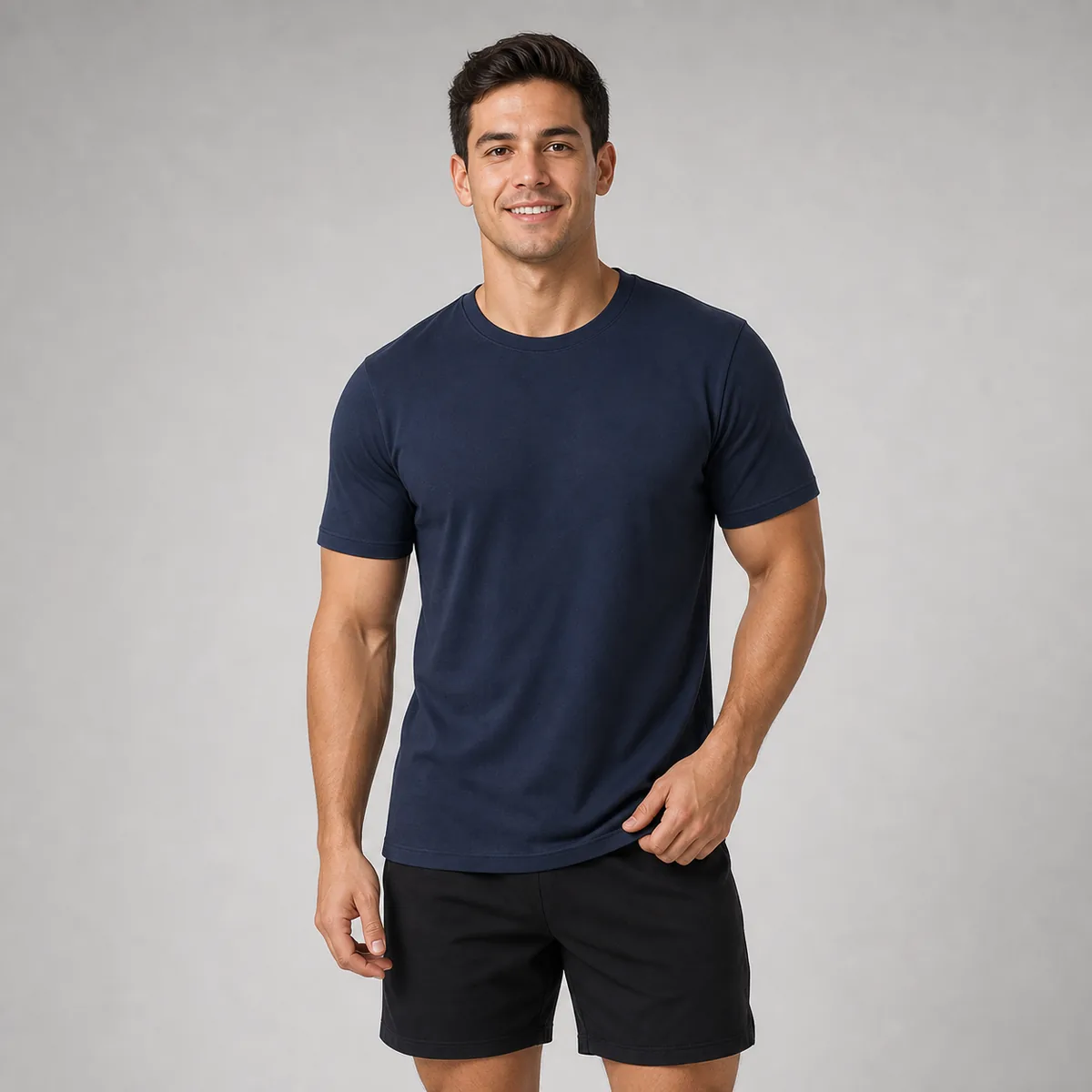
Direct Answer
Brandex Sourcing helps private-label gymwear buyers compare fabric and GSM options before sampling, including combed cotton-spandex activewear tops, tri-blend premium tops, cotton-poly budget tops, polyester/spandex performance products, and nylon/spandex or polyester/spandex leggings and cycling shorts.
Who This Guide Is For
- Activewear buyers choosing fabric before sample development
- Gymwear startups comparing cotton-spandex, tri-blend, polyester-spandex, and nylon-spandex
- Brands that need product-by-product GSM guidance from a Bangladesh manufacturer
Key Facts
- Activewear T-shirts commonly use around 170-175 GSM fabric, depending on the style and buyer target.
- Cotton-rich active tops can use 95% combed cotton / 5% spandex, cotton-poly, tri-blend, or polyester-spandex depending on price and performance needs.
- Leggings and cycling shorts commonly use nylon-spandex or polyester-spandex, with 140-160 GSM for lighter activewear bottoms and 160-180 GSM for common leggings.
- 180-220 GSM should be treated as heavier compression or buyer-requested activewear bottom fabric, not the default for every leggings project.
- Performance polyester shirts are often around 140 GSM unless the buyer requests a heavier fabric.
Activewear T-shirt fabrics
Tops should be matched to the buyer's use case: soft gym lifestyle tops, heavier premium tops, quick-dry shirts, or budget event and club apparel.
- 95% combed cotton / 5% spandex for soft, comfortable activewear T-shirts
- Tri-blend for premium handfeel and higher price positioning
- 60% polyester / 40% combed cotton or polyester-spandex when budget, durability, or performance direction matters
Leggings and cycling shorts fabrics
Activewear bottoms need stretch recovery, opacity, waistband stability, and seam quality. Fabric should be chosen around the intended use, not only the lowest price.
- 140-160 GSM for lighter activewear bottoms
- 160-180 GSM for many common leggings and cycling shorts projects
- 180-220 GSM only for heavier compression or buyer-requested fabric direction
Performance and quick-dry fabrics
Performance shirts, fishing shirts, and quick-dry gymwear usually need polyester-rich material, moisture-wicking direction, and buyer-approved finish language.
- 100% polyester or polyester-spandex for quick-dry and performance apparel
- Around 140 GSM for many lightweight polyester shirt programs
- Special claims such as UV or waterproof should only be used when the material and finish support them
How to choose fabric before sampling
The fastest sample process starts when the buyer shares target product, fabric feel, price point, color, quantity, size range, logo method, and packing requirement.
- Send reference photos and note whether comfort, compression, quick dry, or low price matters most
- Confirm GSM target and fabric composition before logo and label planning
- Use sampling to check handfeel, fit, stretch, opacity, print method, and packing presentation
Buyer Questions This Page Answers
- What GSM is best for activewear T-shirts? Many activewear T-shirts can use around 170-175 GSM, but the best GSM depends on fabric composition, target handfeel, fit, price point, and buyer use case.
- What GSM should leggings or cycling shorts use? Lighter activewear bottoms may use around 140-160 GSM, many common leggings use around 160-180 GSM, and 180-220 GSM should be reserved for heavier compression or buyer-requested fabric direction.
- Can Brandex use combed cotton-spandex for activewear T-shirts? Yes. Brandex can discuss 95% combed cotton / 5% spandex, cotton-poly, tri-blend, polyester-spandex, and other buyer-approved fabrics depending on order quantity and target price.
- Can Brandex help choose activewear fabric before sampling? Yes. Brandex Sourcing can discuss the product use case, fabric direction, GSM, price target, color, size range, labels, packing, and sample plan before bulk production.
Related Brandex Sourcing Pages
Mosiur Rahman, founder of Brandex Sourcing
WhatsApp: +880 1728 560 356 · Call: +880 1728 560 356 · Email: ceo@brandexsourcing.com