Ring-Spun vs Carded and Open-End Cotton Yarn for T-Shirts
Direct Answer
How ring-spun, carded and open-end yarn differ, and what each does to print sharpness, embroidery, pilling and hand-feel. Brandex Sourcing supports custom apparel sampling, private label development, recurring bulk production, quality control, packing, and export coordination from Bangladesh for startup and growing brands.
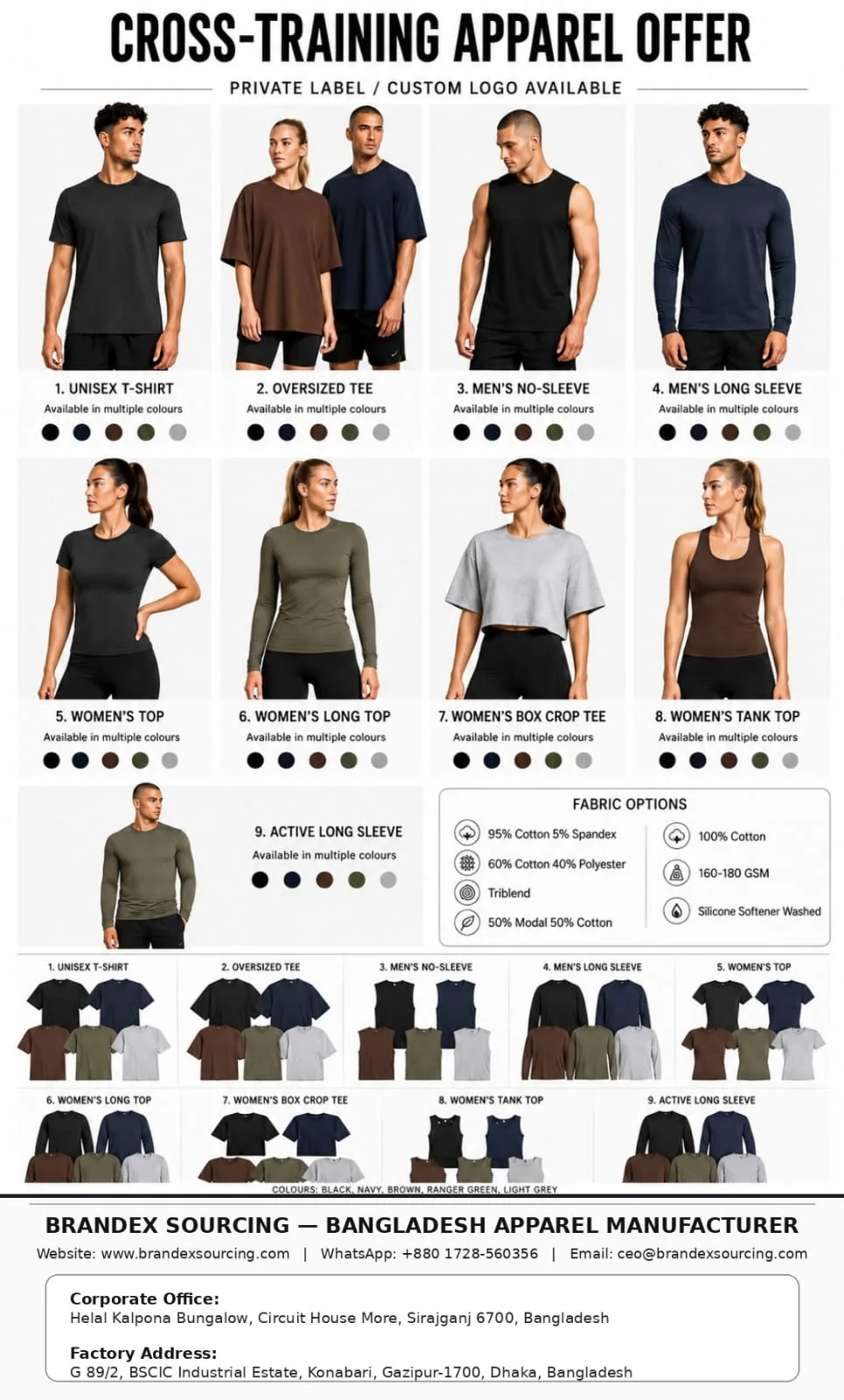
- Factory focus: T-shirts, polo shirts, hoodies, activewear, fitness wear, and private label knitwear
- Indicative bulk pricing for many projects is often $2-$8 per unit before shipping, duties, and special requirements
- Sample cost and timing are confirmed after reviewing the specification and material availability
- OEKO-TEX or GOTS-certified fabric and certified partner fabric or dyeing facilities can be sourced when requested, with scope verified per order
- Page topic: Ring-Spun vs Carded Cotton Yarn for T-Shirts
Direct Answer
Ring-spun yarn is made by continuously twisting and thinning the cotton strand, producing a finer, more even yarn with fewer exposed fibre ends. Open-end yarn is spun faster and more cheaply and has a coarser, hairier surface. The practical result is that ring-spun fabric has a smoother face, so it holds fine screen-print detail and small embroidery lettering better, feels softer, and pills less because there are fewer loose fibre ends to work free. Combed is a separate axis from spinning: combing removes short fibres and debris before spinning, and combed ring-spun is the finest common specification. Open-end is the right economic choice for heavy workwear or promotional runs where hand-feel is secondary. Brandex Sourcing quotes any yarn type per order, with no fixed default.
Last updated: July 26, 2026
Who This Guide Is For
- Brands comparing two quotes and unsure why one is cheaper
- Anyone writing a tech pack who has to name a yarn
- Print and embroidery buyers chasing sharper detail
Key Facts
- Ring-spun: finer, smoother, softer, pills less, costs more
- Open-end: coarser and hairier, faster to spin, cheaper
- Combed is a separate step from spinning — combed ring-spun is the finest common spec
- Yarn type is quoted per order at Brandex Sourcing; there is no fixed default
How the two are actually made
Ring spinning draws the cotton strand out and twists it continuously, aligning the fibres along the yarn axis. It is slower and more expensive, and it produces a yarn with a tight, even surface. Open-end spinning (also called rotor spinning) feeds fibres into a rotating chamber where they are wrapped together. It is far faster and cheaper, but the fibres are less aligned and more ends stick out, which is what you feel as a rougher hand and see as a fuzzier surface.
- Ring-spun: fibres aligned, even surface, softer hand
- Open-end / rotor: fibres less aligned, hairier surface, firmer and rougher hand
- Carded: cleaned and aligned only roughly; short fibres remain
- Combed: an extra step removing short fibres and debris before spinning
The distinction buyers get wrong
Combed and ring-spun are not two names for the same thing, and quotes often exploit the confusion. Combing is a fibre preparation step. Spinning is how the yarn is formed. You can have carded ring-spun, combed ring-spun, or carded open-end. When a quote says only "combed cotton" it has told you about preparation but not about spinning, and when it says only "ring-spun" it has told you the reverse. If softness and print detail matter, ask for combed ring-spun explicitly — that names both.
- Combed ring-spun — finest common specification, softest, best print surface
- Carded ring-spun — smoother than open-end, cheaper than combed ring-spun
- Carded open-end — the economy option, coarser and hairier
- Ask a quote to state both preparation and spinning, not one of the two
What it does to print and embroidery
Decoration quality is where yarn choice shows most clearly. A smoother fabric face gives ink a flatter surface to sit on, so fine screen-print lines and small type hold their edges instead of breaking up against protruding fibres. The same smoothness helps DTG resolution. For embroidery, a more even ground means less needle deflection and cleaner small lettering, which is exactly where a corporate logo tends to fail.
- Fine screen-print detail and small type: ring-spun holds edges noticeably better
- DTG: smoother face gives higher effective resolution
- Embroidery: even ground reduces deflection, so small lettering stays legible
- Heavy block prints on promotional runs: open-end is usually fine and cheaper
Choosing, and specifying it on the order
Ring-spun is not automatically the right answer. If the shirt is a giveaway at a trade show with a single-colour chest print, the extra cost buys you very little. If it is a retail product a customer chooses to wear, or a corporate shirt with fine embroidered lettering, the difference is visible and worth paying for. Brandex Sourcing quotes any yarn type per order with no fixed default, so the specification is yours to set. The standard MOQ is 50 pieces per style and colour at roughly $2-$8 per unit, with the $2 end reachable when fabric is already in stock.
- Write the yarn into the tech pack — do not leave it to be assumed
- Compare samples in the same GSM, or you are comparing weight rather than yarn
- Rub a sample against your cheek: ring-spun reads noticeably smoother
- Hold fabric to the light — open-end shows a hairier, less even surface
Buyer Questions This Page Answers
- What is the difference between ring-spun and carded cotton? They describe different steps. Ring-spun refers to how the yarn is spun — continuously twisted and thinned, producing a finer, more even yarn. Carded refers to how the fibre was prepared before spinning, cleaned and aligned only roughly. You can have carded ring-spun or combed ring-spun. Combed ring-spun is the finest common specification.
- Does ring-spun cotton pill less? Yes, generally. Ring-spun yarn has fewer exposed fibre ends than open-end yarn because the fibres are more aligned, so there is less loose material to work free and form pills during wear and washing.
- Is ring-spun better for screen printing? For fine detail, yes. A smoother fabric face gives ink a flatter surface, so thin lines and small type hold their edges instead of breaking up against protruding fibres. For heavy single-colour block prints the difference is much smaller and open-end is usually adequate.
- Can I order ring-spun cotton at low MOQ? Yarn type is quoted per order at Brandex Sourcing, with no fixed default, so it is specified on the tech pack rather than fixed by the factory. Standard MOQ is 50 pieces per style and colour at roughly $2-$8 per unit, where the lower end applies when the fabric is already in stock.
Related Brandex Sourcing Pages
Mosiur Rahman, founder of Brandex Sourcing
WhatsApp: +880 1728 560 356 · Call: +880 1728 560 356 · Email: ceo@brandexsourcing.com
Brandex Sourcing Product and Factory Proof Images
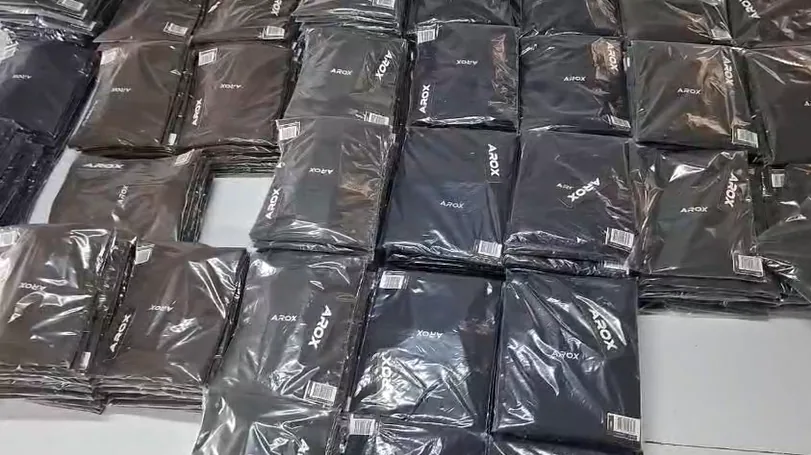
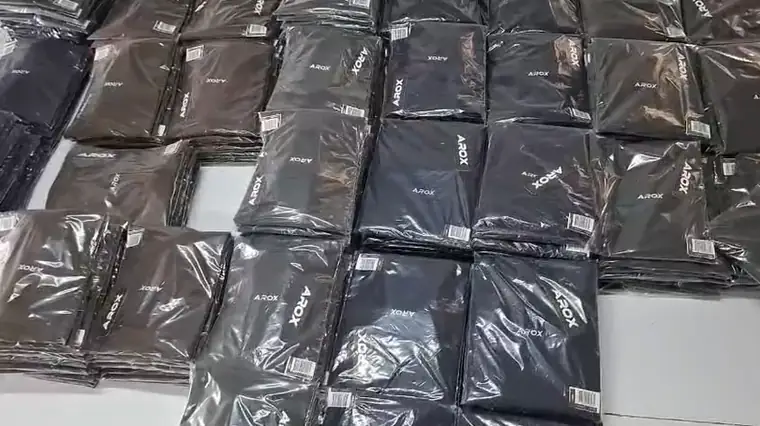
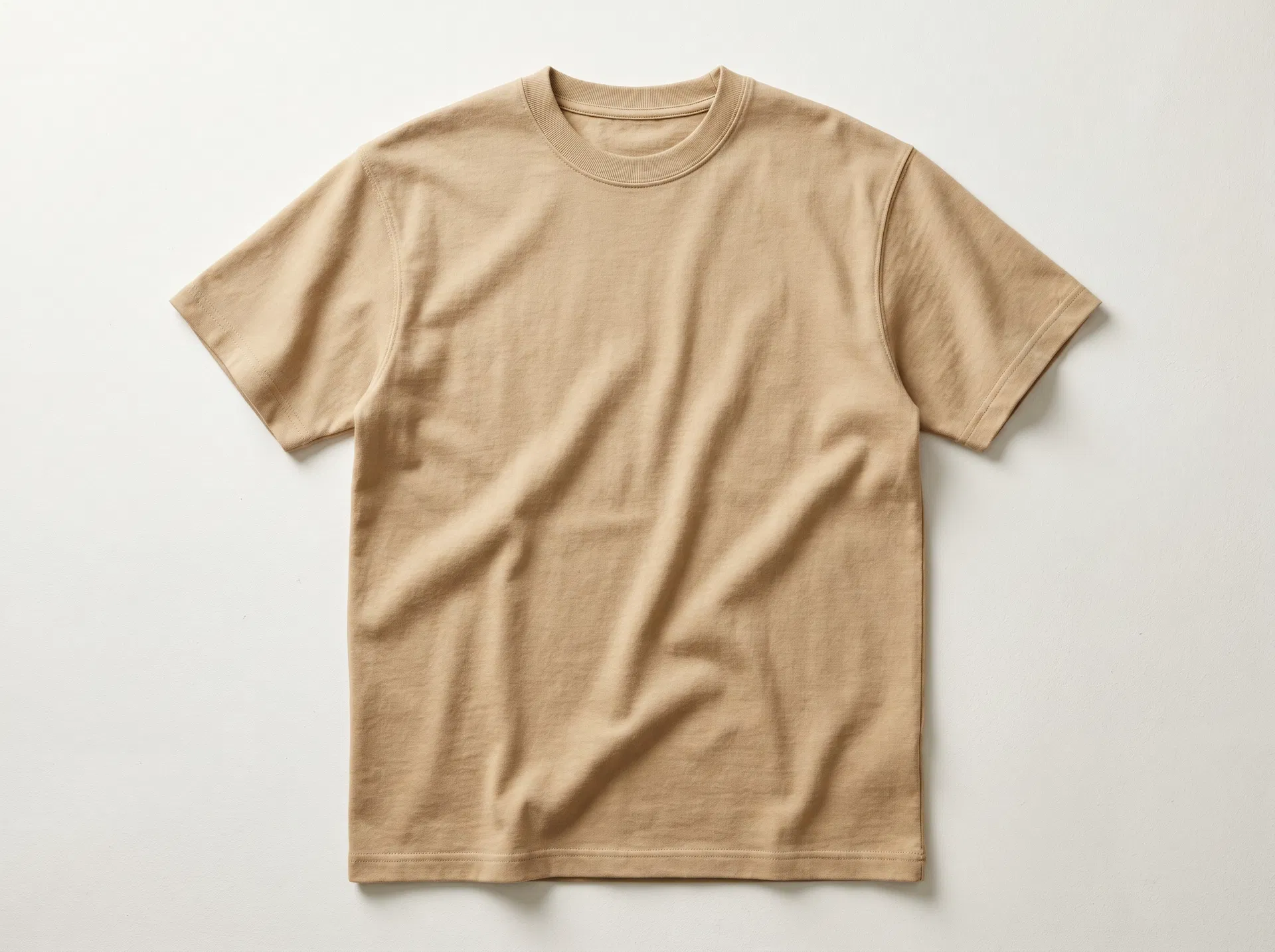
Representative product, packing, and factory workflow images for Ring Spun Vs Carded Cotton Yarn T Shirts buyers evaluating Brandex Sourcing as a Bangladesh apparel manufacturer.