OEKO-TEX and GOTS Certified Fabric Sourcing from Bangladesh
Direct Answer
What OEKO-TEX, GOTS and GRS actually certify, which one your market needs, and what evidence to ask a supplier for. Brandex Sourcing supports custom apparel sampling, private label development, recurring bulk production, quality control, packing, and export coordination from Bangladesh for startup and growing brands.
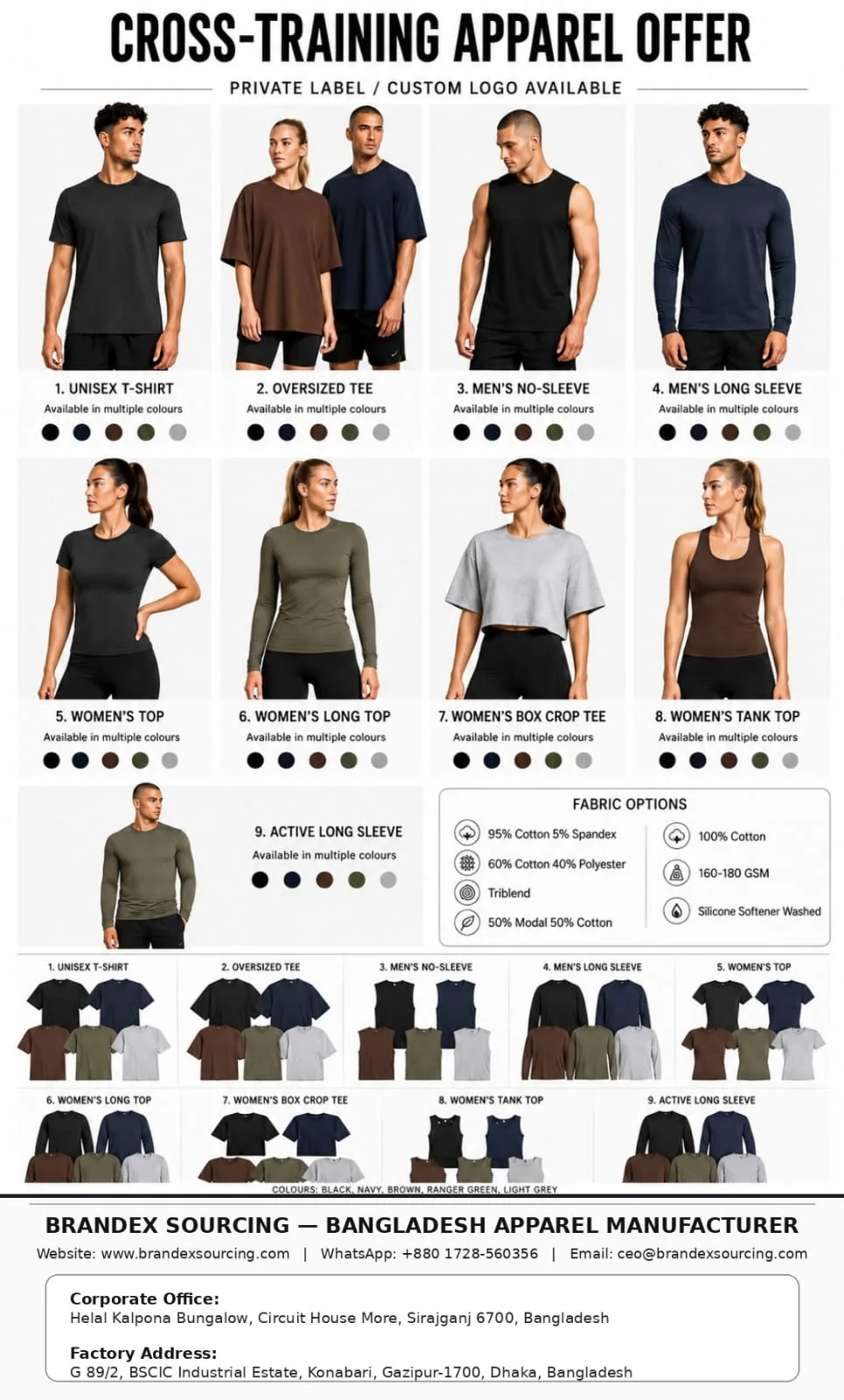
- Factory focus: T-shirts, polo shirts, hoodies, activewear, fitness wear, and private label knitwear
- Indicative bulk pricing for many projects is often $2-$8 per unit before shipping, duties, and special requirements
- Sample cost and timing are confirmed after reviewing the specification and material availability
- OEKO-TEX or GOTS-certified fabric and certified partner fabric or dyeing facilities can be sourced when requested, with scope verified per order
- Page topic: OEKO-TEX and GOTS Certified Fabric Sourcing
Direct Answer
OEKO-TEX Standard 100, GOTS and GRS certify different things and are not interchangeable. OEKO-TEX Standard 100 tests a finished article for harmful substances; GOTS certifies organic fibre content together with processing and social criteria; GRS certifies recycled content and chain of custody. For most EU brands buying knitwear, OEKO-TEX Standard 100 is the practical baseline and GOTS is the requirement only if you are selling on an organic claim. Brandex Sourcing can source OEKO-TEX Standard 100 or GOTS certified fabric on request — the certificate is held by the mill that produced the fabric, not by Brandex Sourcing — at 1,000 pieces and $6-$10 per unit, adding two to three weeks to the timeline. Mill certificate details, including which mill and which certificate number, are shared with a buyer on request.
Last updated: July 26, 2026
Who This Guide Is For
- EU brands whose retailer or marketplace requires a certification before listing
- Founders who have been asked for OEKO-TEX and are not sure what it covers
- Brands making an organic or recycled claim who need it to hold up
Key Facts
- Certified fabric: 1,000 pieces, $6-$10 per unit, adds 2-3 weeks
- The certificate is held by the mill, not by Brandex Sourcing
- Mill certificate details shared with a buyer on request
- Azo-free documentation comes with certified fabric, or from 5,000 pieces on a standard order
What each certificate actually covers
Buyers routinely ask for the wrong one, because the names get used interchangeably in supplier marketing. They are not the same instrument and they answer different questions. Knowing which one your market actually requires saves both cost and weeks of lead time.
- OEKO-TEX Standard 100 — the article has been tested for harmful substances. Says nothing about organic content or labour conditions.
- GOTS — organic fibre content plus processing, chemical and social criteria. Required if you sell on an organic claim.
- GRS — recycled content and chain of custody. Required if you sell on a recycled claim.
- amfori BSCI, WRAP, Sedex/SMETA — social compliance audits of a facility. Not fabric certificates at all.
The distinction that matters: who holds the certificate
A fabric certificate belongs to the entity that was audited. When a garment maker says "we are OEKO-TEX certified", it usually means the mill supplying their fabric holds the certificate — which is a different and weaker statement than the maker holding one itself. Brandex Sourcing does not hold a certificate in its own name and does not claim to. What it can do is source certified fabric from mills that do, and pass the mill's certificate details to you. Treat any supplier who blurs this as a supplier who will blur other things.
- Ask whose name is on the certificate, and get the certificate number
- Check the scope wording covers your specific fabric, not just the mill generally
- Check the validity date — certificates expire and are renewed annually
- A finished-article OEKO-TEX certificate requires all components certified, not only the fabric
Azo dyes, and what documentation you actually get
Azo colourants that can release restricted aromatic amines are banned in the EU under REACH, and OEKO-TEX Standard 100 testing covers them. Where a buyer wants azo-free documentation without going to full certified fabric, the practical threshold at Brandex Sourcing is 5,000 pieces on an otherwise standard order. Below that, azo-free documentation comes as part of a certified fabric order.
- Certified fabric order: 1,000 pieces, $6-$10 per unit, plus 2-3 weeks
- Azo-free documentation on a standard order: from 5,000 pieces
- Third-party test reports on request at buyer cost, adding about 10 days
- Testing runs through an accredited local laboratory by default; SGS, Intertek or Bureau Veritas can be arranged on request at buyer cost
EU labelling, which is separate from certification
Certification and labelling are different obligations and brands often conflate them. Regulation (EU) No 1007/2011 requires fibre composition to be stated in the language of the market where the product is sold — a German customer needs "80% Baumwolle, 20% Polyester", not the English equivalent. Brandex Sourcing prints destination-language fibre composition labels for EU shipments. That is a labelling requirement you must meet whether or not your fabric is certified.
- Fibre composition in the destination market language is mandatory, not optional
- Care symbols and country of origin sit alongside it
- Confirm label language per destination country before bulk, not after
Buyer Questions This Page Answers
- What is the difference between OEKO-TEX and GOTS? OEKO-TEX Standard 100 tests a finished article for harmful substances and says nothing about organic content or labour conditions. GOTS certifies organic fibre content together with processing, chemical and social criteria. If a retailer simply wants assurance the garment is chemically safe, OEKO-TEX is what they mean. If you are selling on an organic claim, you need GOTS.
- Can Brandex Sourcing supply OEKO-TEX or GOTS certified fabric? Yes, on request. The certificate is held by the mill that produced the fabric, not by Brandex Sourcing, which does not hold a certificate in its own name. Certified fabric orders run at 1,000 pieces and $6-$10 per unit and add two to three weeks. Mill certificate details are shared with a buyer on request.
- What evidence should I ask a supplier for? The certificate number, the name on the certificate, the exact scope wording, and the expiry date. Check the scope covers your specific fabric rather than the mill in general, and be clear whether the certificate belongs to the mill or to the garment maker — they are different claims.
- Do I need certified fabric to sell in the EU? Not usually. Certification is generally a commercial requirement from a retailer or marketplace rather than a legal one. What is legally required is correct fibre composition labelling in the destination market language under Regulation (EU) No 1007/2011, and compliance with REACH restrictions on azo colourants.
Related Brandex Sourcing Pages
Mosiur Rahman, founder of Brandex Sourcing
WhatsApp: +880 1728 560 356 · Call: +880 1728 560 356 · Email: ceo@brandexsourcing.com
Brandex Sourcing Product and Factory Proof Images
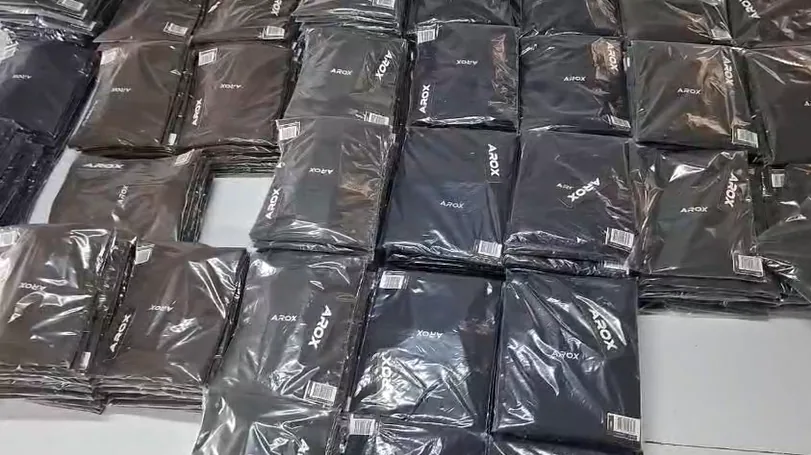
Representative product, packing, and factory workflow images for Oeko Tex Gots Certified Fabric Sourcing Bangladesh buyers evaluating Brandex Sourcing as a Bangladesh apparel manufacturer.