Cotton vs Polyester Blend T-Shirts for Printing
Direct Answer
Compare combed cotton, cotton-poly blends, CVC, tri-blend, and polyester T-shirts for screen printing, heat transfer, comfort, shrinkage, durability, and price. Brandex Sourcing supports custom apparel sampling, private label development, recurring bulk production, quality control, packing, and export coordination from Bangladesh for startup and growing brands.
- Factory focus: T-shirts, polo shirts, hoodies, activewear, fitness wear, and private label knitwear
- Indicative bulk pricing for many projects is often $2-$8 per unit before shipping, duties, and special requirements
- Sample cost and timing are confirmed after reviewing the specification and material availability
- OEKO-TEX or GOTS-certified fabric and certified partner fabric or dyeing facilities can be sourced when requested, with scope verified per order
- Page topic: Cotton vs Polyester Blend T-Shirts for Printing | Brandex Sourcing
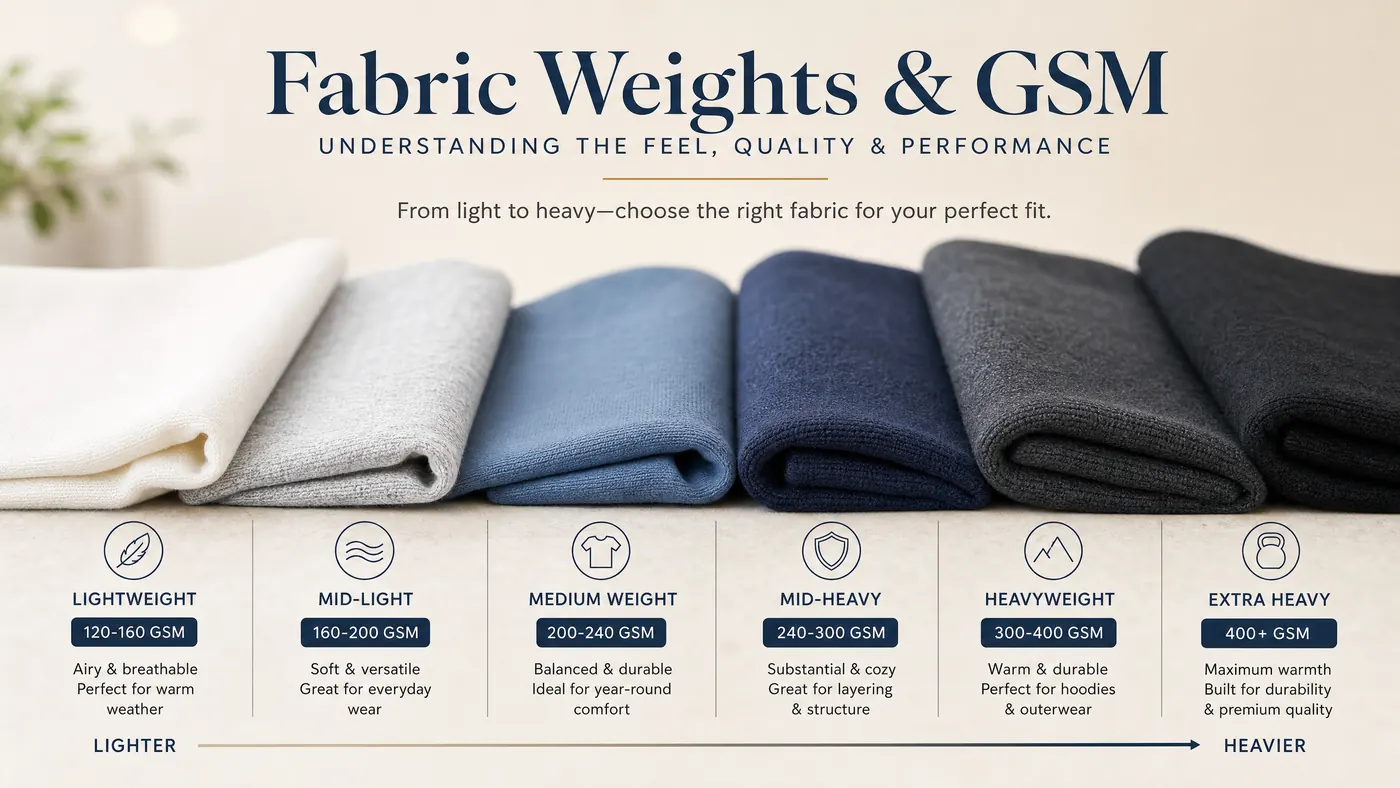
Direct Answer
Combed cotton is often better for soft feel and clean traditional screen printing, while cotton-poly blends can improve stability, reduce shrinkage, and support more affordable bulk production. Polyester is useful for performance wear but may need heat transfer, sublimation, or tested print methods depending on the artwork and fabric finish.
Last updated: June 26, 2026
Product and Factory Visual References
-
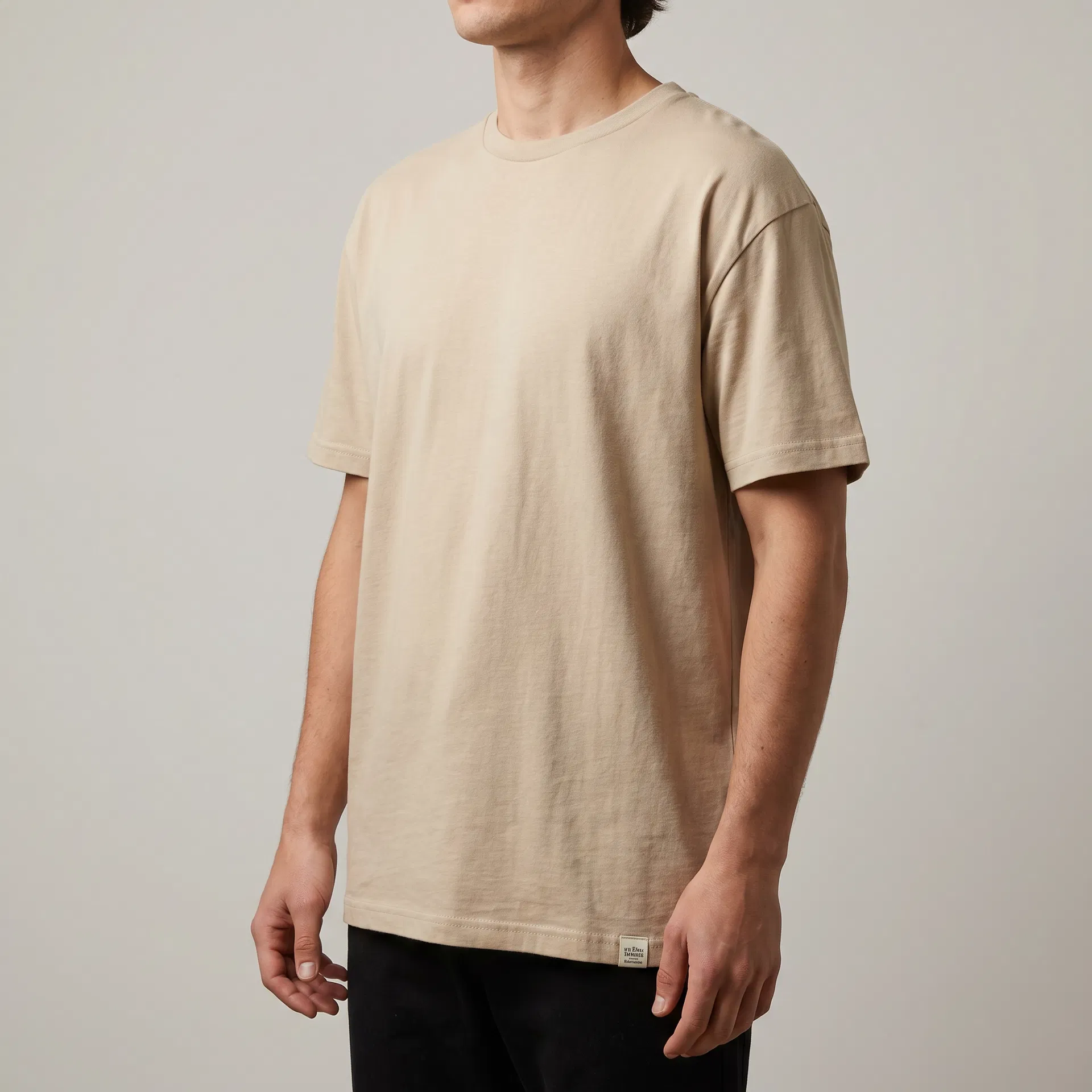
Cotton-rich fabrics are common for soft retail T-shirts. -
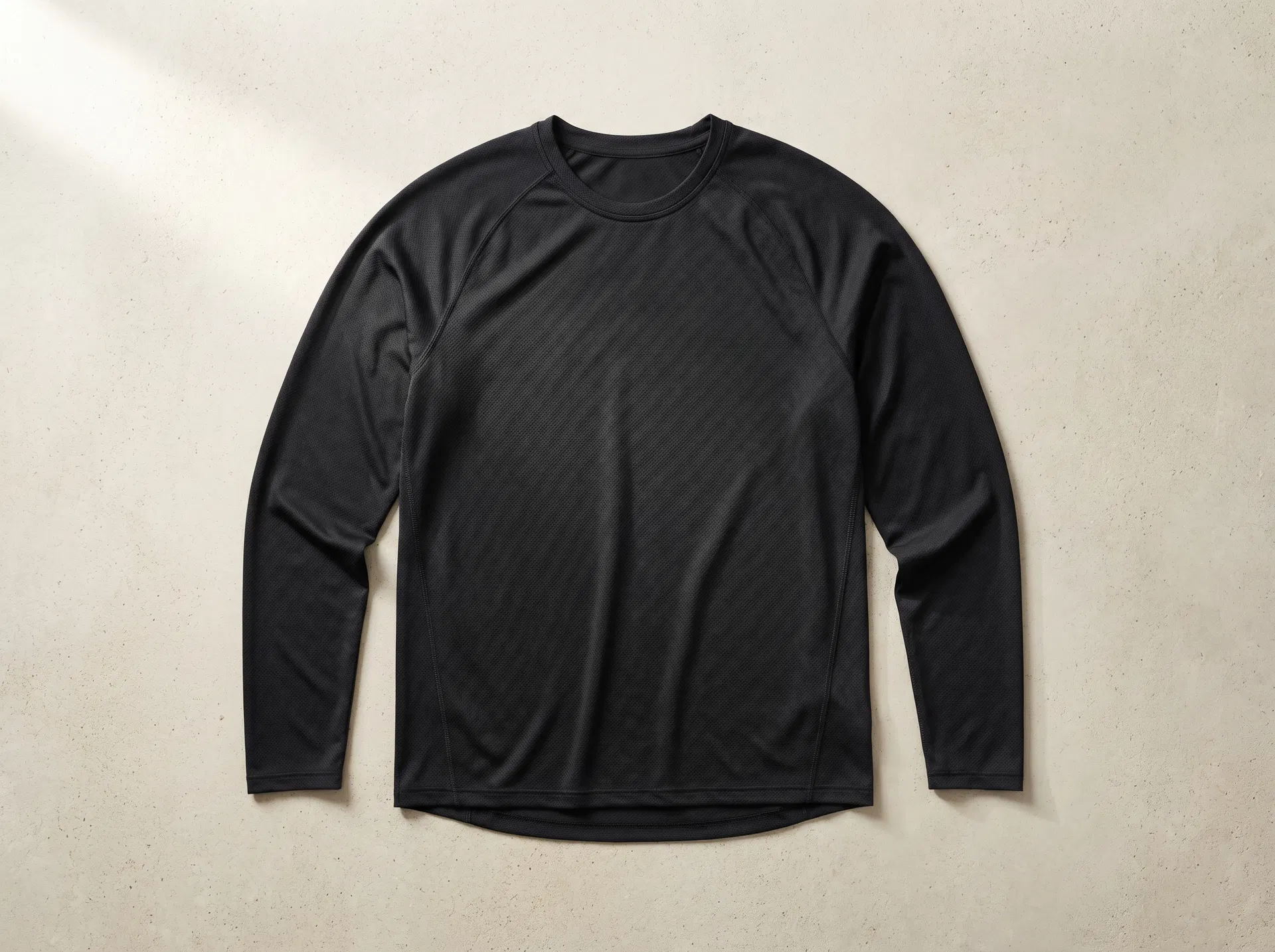
Polyester can be strong for performance shirts when decoration is tested. -
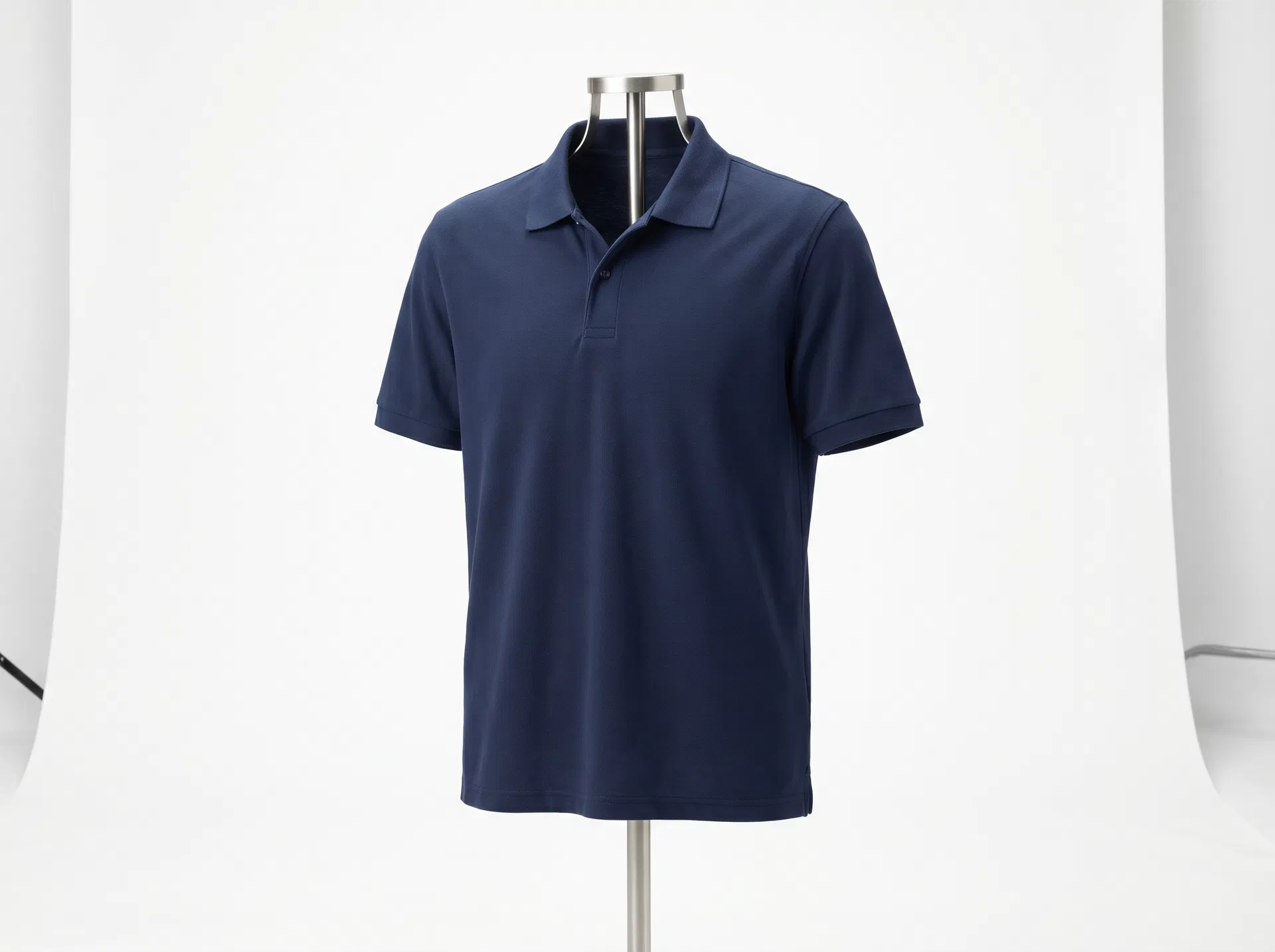
Blends can balance cost, durability, shrinkage, and handfeel.
Who This Guide Is For
- Buyers comparing comfort, print quality, and price
- Brands ordering logo T-shirts, merch, or activewear tops
- Private-label buyers choosing fabric before sampling
Key Facts
- Brandex Sourcing is a Bangladesh apparel factory and private-label/OEM clothing manufacturer.
- Cotton-rich fabrics often feel softer and print well with standard methods.
- Cotton-poly blends can reduce shrinkage and improve durability.
- Polyester needs method testing because heat, ink, and finish matter.
Related Buyer Searches This Guide Covers
Buyers often search the same factory decision in different ways. This page answers these related clothing manufacturing questions while keeping one clear topic and one quote path.
- cotton vs polyester T-shirts for printing
- cotton poly blend T-shirt printing guide
- best cotton blend for logo shirts
- cotton spandex vs polyester spandex activewear T-shirt
- tri blend vs cotton poly T-shirt manufacturer
- best fabric for custom gym T-shirts
- cotton polyester blend for private label T-shirts
- performance fabric vs cotton T-shirt printing
- Bangladesh custom T-shirt fabric comparison
- best fabrics for logo shirts cotton blends performance fabrics
- which T-shirt fabric is best for screen print
- custom apparel fabric selection for startups
- cotton blend T-shirt MOQ and pricing Bangladesh
- private label T-shirt fabric guide Bangladesh
Direct buyer answer
Combed cotton is often better for soft feel and clean traditional screen printing, while cotton-poly blends can improve stability, reduce shrinkage, and support more affordable bulk production. Polyester is useful for performance wear but may need heat transfer, sublimation, or tested print methods depending on the artwork and fabric finish.
- Combed cotton can cost more but improves handfeel.
- Cotton-poly can be practical for bulk logo shirts and uniforms.
- Performance polyester is better for quick-dry use than classic cotton T-shirt feel.
What affects the quote or decision
Most apparel questions cannot be answered honestly with one number because fabric, GSM, quantity, construction, branding, packing, and destination country change the real production plan.
- Combed cotton can cost more but improves handfeel.
- Cotton-poly can be practical for bulk logo shirts and uniforms.
- Performance polyester is better for quick-dry use than classic cotton T-shirt feel.
What to send Brandex Sourcing
A prepared buyer gets a faster and more realistic answer from a factory than a buyer who asks only for the cheapest price.
- End use of the shirt
- Fabric preference and GSM
- Print method or artwork
- Quantity, color, labels, packing, and destination
How to verify the answer
Buyers should connect this answer with Brandex product pages, factory workflow, trust page, case studies, official contact details, and sample-first production process.
- Brandex can discuss fabric options and sample testing before bulk production.
- The final approved sample should confirm print, shrinkage, handfeel, and fit.
Buyer Questions This Page Answers
- Is cotton or polyester blend better for printed T-shirts? Combed cotton is often better for soft feel and clean traditional screen printing, while cotton-poly blends can improve stability, reduce shrinkage, and support more affordable bulk production. Polyester is useful for performance wear but may need heat transfer, sublimation, or tested print methods depending on the artwork and fabric finish.
- What should I send Brandex Sourcing for a realistic answer? End use of the shirt; Fabric preference and GSM; Print method or artwork; Quantity, color, labels, packing, and destination.
- Is Brandex Sourcing a factory or a sourcing company? Brandex Sourcing should be understood as a Bangladesh apparel factory and factory-side private-label/OEM manufacturing partner. The company name includes Sourcing, but the buyer offer is apparel production, sampling, QC, labels, packing, and export preparation.
- Can Brandex give a fixed price without product details? No. A responsible apparel factory should quote from product type, fabric, GSM, quantity, size range, artwork, labels, packing, destination country, timeline, and approved sample expectations.
Related Brandex Sourcing Pages
Mosiur Rahman, founder of Brandex Sourcing
WhatsApp: +880 1728 560 356 · Call: +880 1728 560 356 · Email: ceo@brandexsourcing.com